Understanding ACV vs RCV Exterior Insurance Claims
When severe weather rolls through The Metro, it often leaves a trail of damaged exteriors in its wake. High winds and heavy hail can compromise your home's defense system, leading to stressful weeks of assessing the aftermath. For many homeowners, the most overwhelming part of the recovery process isn't the cleanup—it is deciphering the complex language of property insurance policies.
If you have recently experienced storm damage, you might be looking at your insurance paperwork and wondering what terms like Actual Cash Value and Replacement Cost Value actually mean for your wallet. Understanding the difference between these two coverage types is crucial because it directly dictates how much out-of-pocket expense you will bear when repairing your home.
Insurance carriers have been steadily updating their policies, and navigating these changes without a clear understanding can lead to delayed approvals and frustrating disputes with adjusters. Let us break down exactly how these policies work, how depreciation factors into your payout, and what you need to know to protect your investment.
The Gold Standard: Replacement Cost Value (RCV)
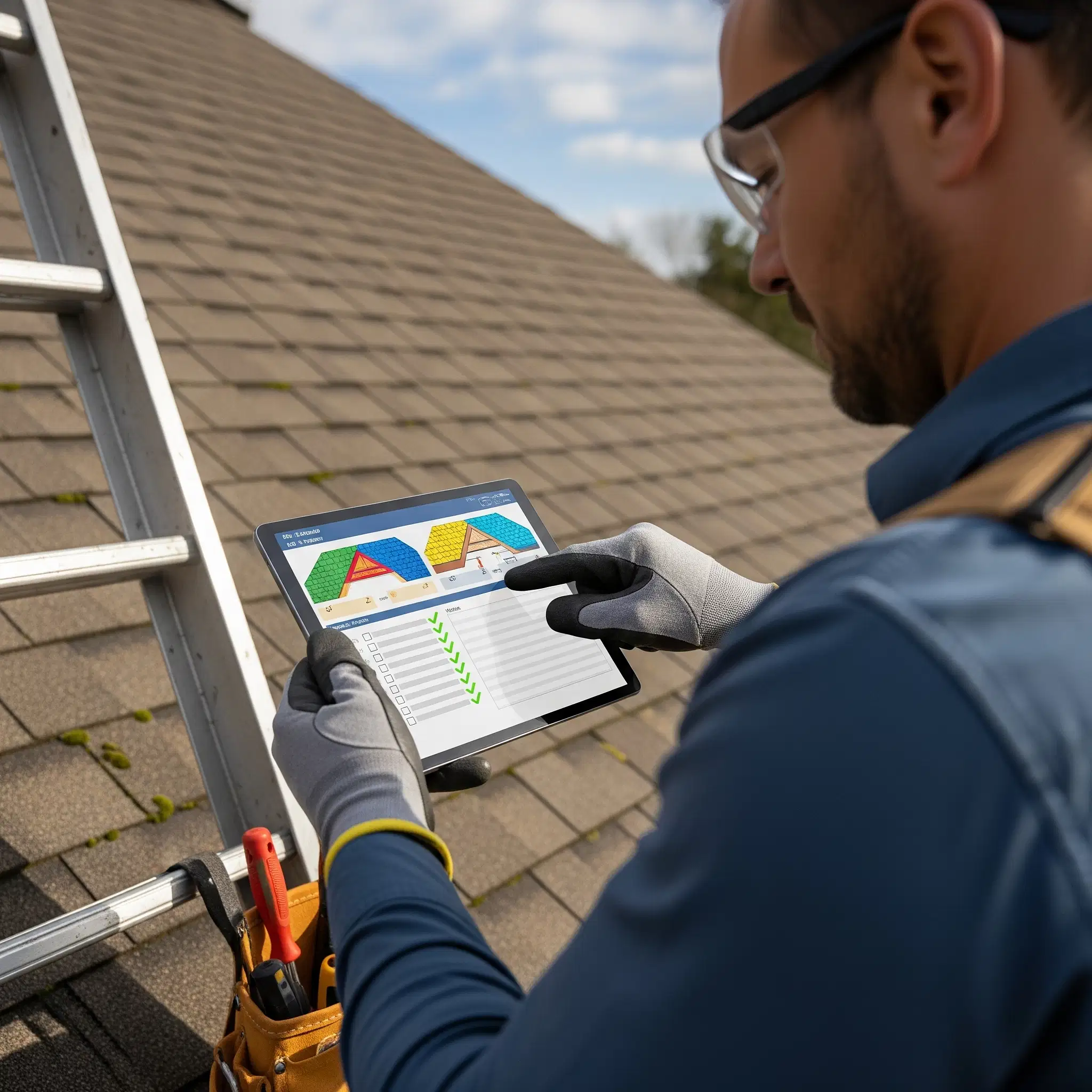
Replacement Cost Value is generally considered the most comprehensive type of coverage you can have for your home's exterior. If your policy includes RCV, your insurance company agrees to pay the current market cost to replace your damaged property with new materials of a similar kind and quality, without deducting for the age or wear and tear of the old materials.
For example, if a severe hailstorm destroys your roof, an RCV policy will cover the full cost of residential asphalt shingle roof replacements at today's labor and material rates, minus your deductible. This means that even if your roof was ten years old, you receive enough funding to install a brand-new roof of comparable quality.
This type of coverage provides immense peace of mind. It ensures that you are not left scrambling to cover massive price differences caused by inflation or rising material costs over the years. When we work with homeowners who have RCV policies, the process of upgrading their siding or roofing is typically much smoother, allowing us to focus entirely on delivering high-quality craftsmanship rather than worrying about budget shortfalls.
The Reality of Actual Cash Value (ACV) and Depreciation
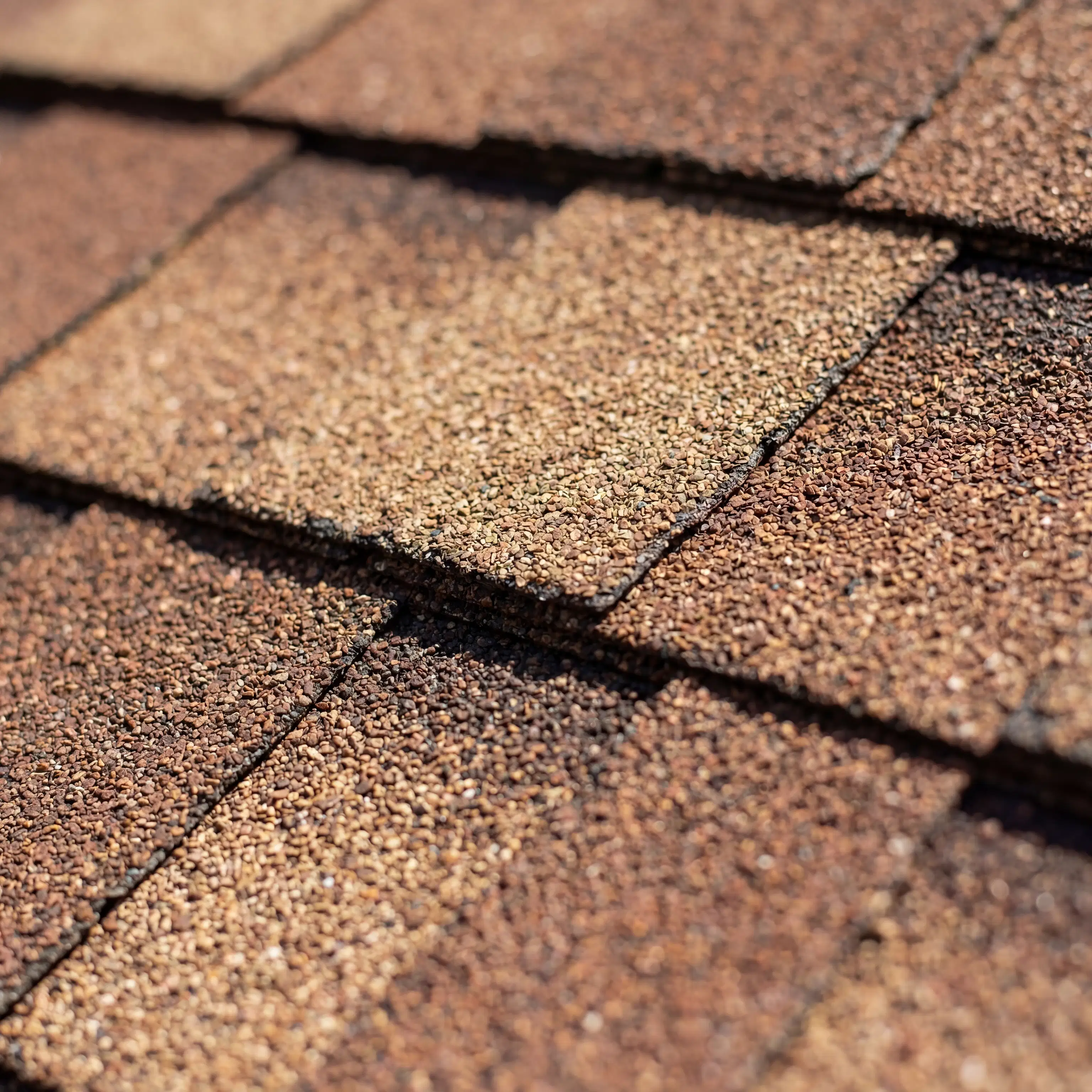
Actual Cash Value operates quite differently and is becoming increasingly common. An ACV policy pays you the current value of your property, which means it accounts for depreciation. Depreciation is the loss in value of your exterior materials over time due to age, wear, and exposure to the elements.
If you have a 15-year-old roof that is damaged by a storm, an ACV policy will not pay for a brand-new roof. Instead, the insurance adjuster will calculate the lifespan of your current roof, determine how much value it has lost over those 15 years, and subtract that amount from the total replacement cost. The resulting figure is your payout.
One of the most significant industry trends we are seeing is a strict shift by insurance carriers toward ACV policies for older roofs. Many homeowners are unaware of this shift until they file a claim, resulting in payouts that are significantly lower than expected. This forces the homeowner to carry the upfront material and labor costs to make up the difference. Understanding whether your policy has shifted to ACV is the first step in financially preparing for future exterior maintenance.
Navigating the Claims Process and Avoiding Pitfalls
Filing a claim can feel daunting, especially when you are trying to figure out if your home actually sustained enough damage to warrant one. How do you know if your roof has hail damage? From the ground, it is often impossible to tell.
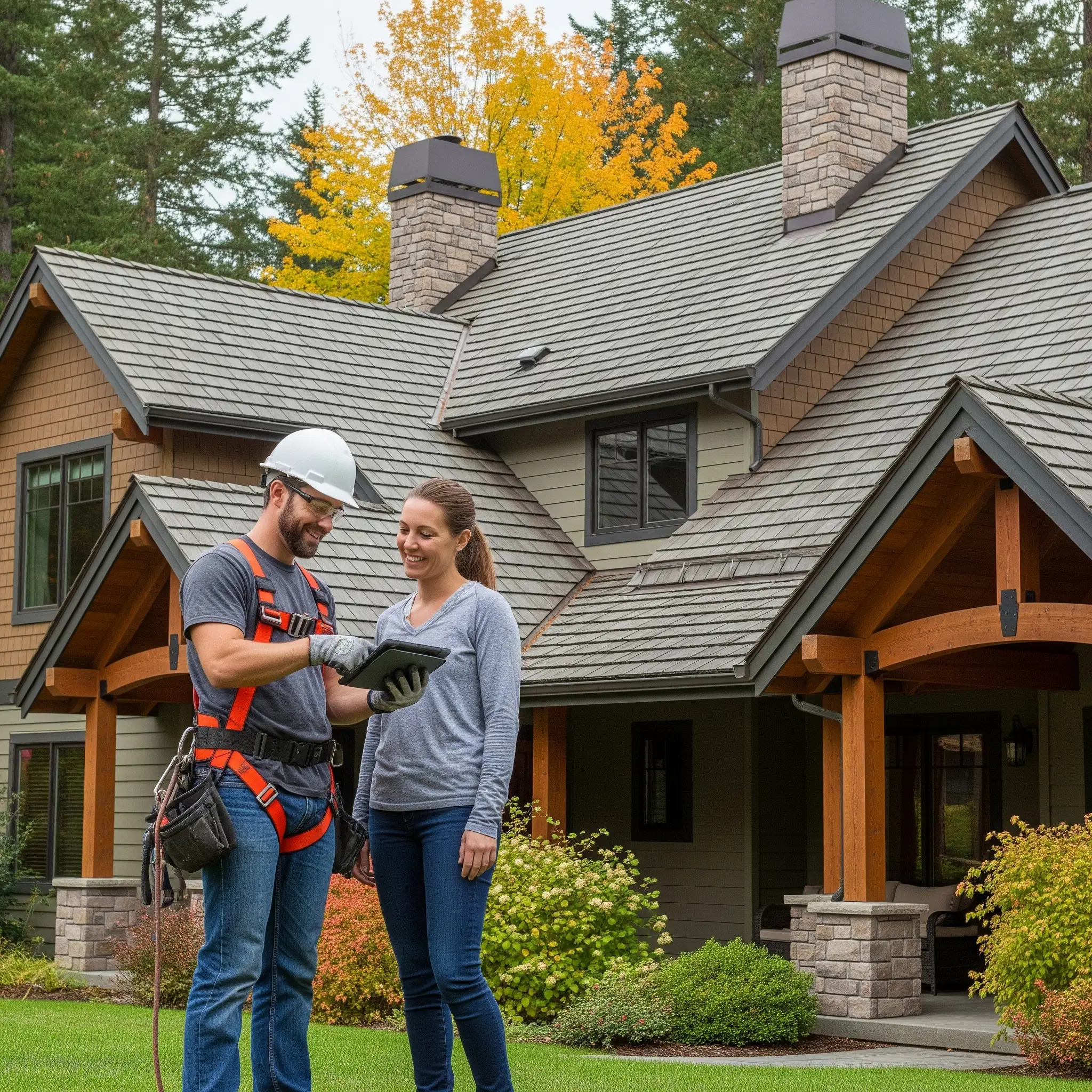
To provide undeniable proof to insurance adjusters, modern contractors utilize advanced technology like drone-based thermal imaging and aerial inspections. This allows for highly accurate, transparent damage reports that speed up the approval process and help prevent disputes over the scope of the damage.
Unfortunately, the days following a severe storm often bring a flood of out-of-state storm chasers knocking on doors. These transient companies often lack an understanding of local building codes and municipal permitting processes, which can cause severe project delays. When dealing with complex insurance claims, it is vital to partner with a reputable local expert who understands the specific requirements of Jackson County and the surrounding areas. A local professional will act as your advocate, ensuring that all damage to your roofing, gutters, and window installation is properly documented and submitted.
Securing Your Home's Future
Dealing with exterior damage is stressful enough without having to fight through insurance jargon and unexpected out-of-pocket expenses. By understanding the critical differences between ACV and RCV policies, you can have more productive conversations with your insurance agent and make informed decisions about your property's coverage.
If you suspect your home has weathered recent storm damage, do not wait for a minor issue to become a major leak. Based right here in Lee's Summit, KC HOME SHIELD is dedicated to guiding our neighbors through every step of the restoration process, from the initial drone inspection to the final nail. Contact us today to schedule a comprehensive evaluation of your home's exterior, and let our team help you navigate your insurance claim with confidence.