Navigating Roofing and Window Codes Across the Metro
When it is time to upgrade your home's exterior, the excitement of choosing new materials and colors can quickly be overshadowed by the daunting reality of municipal red tape. For homeowners in Kansas City, the process is uniquely complex. Because our community spans a bi-state area, navigating the different municipal permitting processes, building codes, and licensing requirements can easily cause frustrating project delays if not handled correctly. Whether you are recovering from a severe spring hailstorm or simply updating an aging exterior, understanding the local regulations is crucial to a smooth, successful project. At KC HOME SHIELD, we believe that you should be able to focus on the vision for your home while we handle the heavy lifting of compliance and permits.
The Complexity of Bi-State Licensing and Permits
One of the most common questions we hear from homeowners is whether they actually need a city permit to replace their roof or install new windows. The short answer is almost always yes, but the specifics vary wildly depending on exactly where you live. The Metro is a patchwork of different municipalities, each with its own set of rules.
For instance, the residential building codes for Missouri roofs, particularly in places like Jackson County, have specific requirements regarding ice and water shields, underlayment, and ventilation to handle our freezing winter temperatures and snow. On the other side of the state line, the requirements might differ slightly, but the core focus remains on safety and durability.
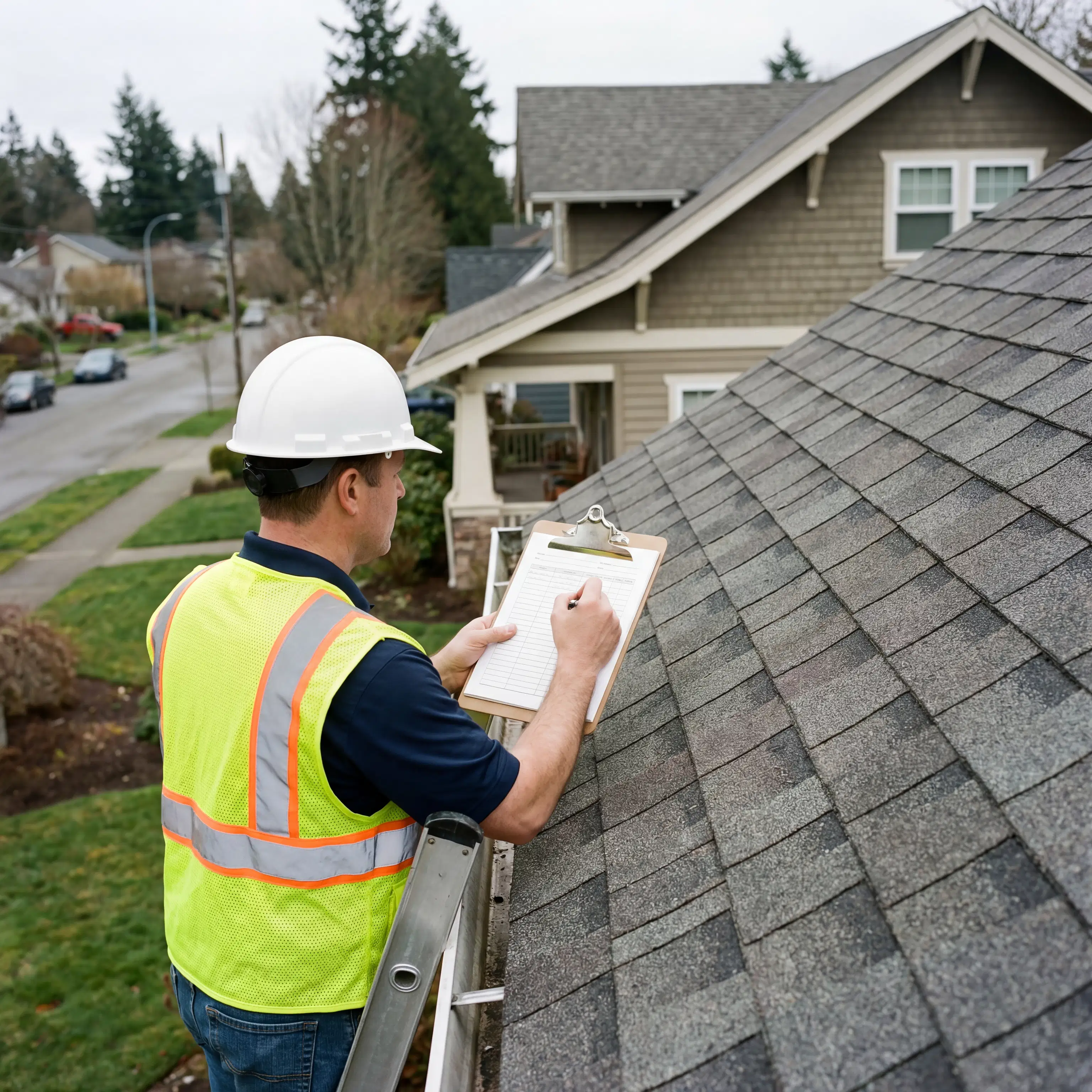
Furthermore, bi-state roofing contractor licensing requirements mean that a company operating legally in one suburb might not be properly licensed in another. Hiring a contractor who is fully licensed, bonded, and insured across all local jurisdictions is not just a matter of following the law; it is a critical layer of protection for your investment. A reputable local company will pull all necessary permits on your behalf, ensuring that the work is inspected and approved by city officials. This protects you from heavy fines and ensures that your home remains compliant, which is especially important if you ever decide to sell.
Meeting the Standard for Roof Replacements
When it comes to roofing, local building codes are heavily influenced by our region's extreme weather. Frequent severe hail and wind storms dictate strict standards for how materials are fastened and what types of materials are permitted.
If you are considering residential asphalt shingle roof replacements, it is important to know that local codes often require specific nailing patterns to withstand high winds. Additionally, there is a growing trend toward installing Class 4 impact-resistant shingles. While not always mandated by basic building codes, these durable materials are highly recommended for our area. They not only provide superior protection against storm damage but can also help you navigate the increasingly strict insurance carrier policies. With many insurance companies shifting from Replacement Cost Value to Actual Cash Value for older roofs, investing in code-compliant, high-durability materials upfront can save you significant money and stress during future claims.
To ensure absolute accuracy in meeting these codes, modern contractors are turning to advanced technology. We utilize drone-based roof inspections and 3D aerial measurement tools. This allows us to assess storm damage and plan your replacement with pinpoint precision, ensuring every square foot of your new roof meets or exceeds local municipal standards without the need for multiple, intrusive manual inspections.
Window Installation Permit Requirements
Upgrading your windows is another project where local codes play a surprisingly large role. Window installation permit requirements are primarily focused on two things: energy efficiency and life safety.
From an energy standpoint, new windows must meet specific U-factor and Solar Heat Gain Coefficient ratings to comply with modern energy codes. These regulations are designed to reduce the strain on the local power grid during our sweltering summers and freezing winters, while simultaneously lowering your monthly utility bills.
More importantly, building codes strictly regulate egress windows. If you are replacing windows in a bedroom or a finished basement, the new windows must meet minimum size and clearance requirements to ensure occupants can safely escape in the event of a fire or emergency. A knowledgeable contractor will assess your current window openings and advise you on whether structural modifications are needed to bring your home up to current safety codes. Attempting to bypass these permits to save a little money upfront can lead to disastrous consequences during a home inspection or, worse, an emergency.
Partnering with a Local Expert
Tackling a major home exterior project in Lee's Summit or any of our surrounding suburbs requires more than just a hammer and nails; it requires a deep understanding of the regulatory landscape. Out-of-state storm chasers often lack this critical local knowledge, leading to unpermitted work, failed inspections, and voided warranties. By choosing a contractor with deep roots in the community, you ensure that your project is built to last and fully compliant with every local standard.
At KC HOME SHIELD, we pride ourselves on being your trusted guide through every step of the process, from the initial drone inspection to the final city approval. If you are ready to upgrade your home with professional roofing, siding, window installation, or decks and fencing, contact us today. Let us handle the codes and permits so you can enjoy the peace of mind that comes with a beautifully protected home.