Is Your Home Ready for a Kansas City Storm? A Guide to Protecting Your Roof and Siding
Anyone who has lived in the Kansas City area for a while knows that feeling. The sky darkens, the sirens test on the first Tuesday of the month, and you start wondering if your home is truly ready for the severe storms that can roll through. During our notorious hail season, high winds and intense downpours can turn a minor issue with your roof or siding into a major headache. The good news is that a little preparation and knowing what to do after a storm passes can provide immense peace of mind.
Protecting your home's exterior isn't just about avoiding leaks; it's about safeguarding your biggest investment and ensuring your family's safety. This guide will walk you through proactive steps to prepare your home, how to safely assess for damage afterward, and the best way to navigate the repair process with a trusted local partner.
Before the Clouds Gather: Proactive Steps for Storm Readiness
An ounce of prevention is worth a pound of cure, especially when it comes to your home's first line of defense. Taking time to inspect your home's exterior before storm season is in full swing can save you from costly emergency repairs and the stress that comes with unexpected damage. A strong, well-maintained exterior is your best shield against the elements.
Here are a few key areas to focus on:
- Inspect Your Roof from the Ground: Look for any shingles that are curling, cracked, or missing. These are weak spots that high winds can easily exploit. Pay attention to the areas around vents, skylights, and your chimney, as the sealing in these spots can degrade over time.
- Check Your Siding: Walk around your home and look for any siding panels that are loose, cracked, or warped. A single loose panel can be ripped off by strong winds, exposing the underlying structure to moisture and potentially leading to a much larger repair job. Ensuring your siding is secure is a critical step.
- Clean Your Gutters and Downspouts: This is one of the most important and often overlooked maintenance tasks. When gutters are clogged with leaves and debris, rainwater can't drain properly. It will overflow and run down your walls, potentially seeping behind your siding or into your foundation. During a heavy downpour, this can cause significant water damage in a very short amount of time.

What to Do After the Storm: A Safe Damage Assessment Checklist
Once the storm has passed and it's safe to go outside, your first instinct might be to climb a ladder and check the roof. Please, don't. A storm-damaged roof can be incredibly dangerous, with slippery surfaces and potentially unstable areas. You can perform a thorough and safe initial inspection from the ground.
Here’s what to look for:
- Start with a Walkaround: Circle your property and look for any obvious signs of damage. Are there shingles or pieces of siding on the ground? This is the clearest sign you need a professional inspection.
- Check Gutters and Downspouts: Hail often leaves its mark here first. Dents in your metal gutters, downspouts, or air conditioning unit are strong indicators that your roof likely sustained damage as well.
- Look for Siding Damage: Inspect your siding for cracks, chips, or holes, especially on the side of the house that faced the brunt of the storm.
- Use Binoculars: From a safe distance, use binoculars to get a closer look at your roof. Look for dark spots or
From Damage to Done: Navigating Repairs and Insurance
Discovering storm damage can be overwhelming, and the thought of dealing with insurance claims can add another layer of stress. This is when having a reliable, local expert on your side makes all the difference. After a major storm, you may see an influx of out-of-town companies or 'storm chasers' going door-to-door. It's crucial to partner with a contractor who has a permanent presence in the community and a reputation for quality and trustworthiness.
Here’s a simplified process for a stress-free experience:
- Document Everything: Before any work begins, take photos of all the damage you identified during your ground inspection.
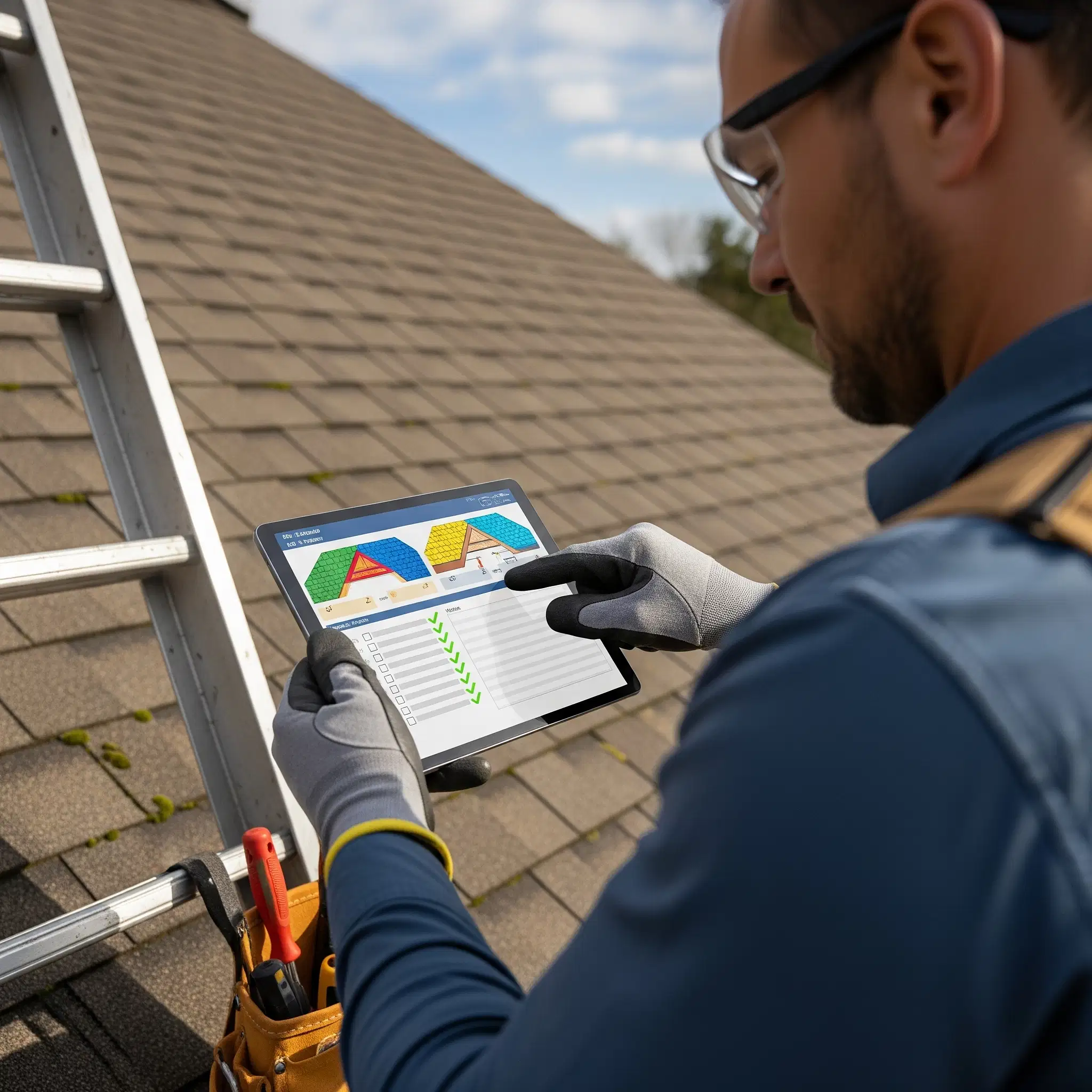
- Call a Professional First: Before contacting your insurance company, have a reputable contractor like KC HOME SHIELD perform a comprehensive inspection. We can identify all points of damage—some of which may not be visible to an untrained eye—and provide you with a detailed report. This gives you a professional assessment to use as a baseline for your insurance claim.
- Understand the Scope: We will walk you through our findings, explaining whether you need a simple repair or a full residential asphalt shingle roof replacement. We believe in transparent communication, ensuring you understand the scope of the work and the costs involved before we proceed.
Navigating an insurance claim can be complex, but we are here to help guide you through the process, providing the necessary documentation and professional expertise to ensure your claim is handled fairly and your home is restored correctly.
Protect Your Home with a Trusted Partner
Your home is your shield, and its roof and siding are its most critical armor. Being proactive with maintenance and knowing how to respond after a storm are the best ways to protect it. From routine inspections to full-scale storm damage restoration, it’s essential to have a partner you can count on for quality workmanship and honest guidance.
If you have concerns about your home's exterior or have recently been through a severe storm in the Kansas City metro, don't wait for a small problem to become a big one. Contact the team at KC HOME SHIELD today for a thorough, professional inspection of your roofing and siding. Let us help you ensure your home is safe, secure, and ready for whatever the weather brings. Visit our contact page to schedule your assessment.